%2Ffit-in%2F250x250%2Fguide_websites%2F56754%2Fimages%2F1764988486575481217805_122134718666591786_9179140711655986103_n.jpg&w=1920&q=100)
Kingcroaker Fishing in Melbourne FL with Captain B
Kingcroaker Fishing in Melbourne FL - What to Expect
%2F%2Fusers%2F990a51a6-4f67-48f8-a595-aa217d4f0e98%2Fimages%2Fmelbourne-fl-kingcroaker-catch-2650.jpg&w=1920&q=75)
Fishing Charter by Captain BF Robertson in June
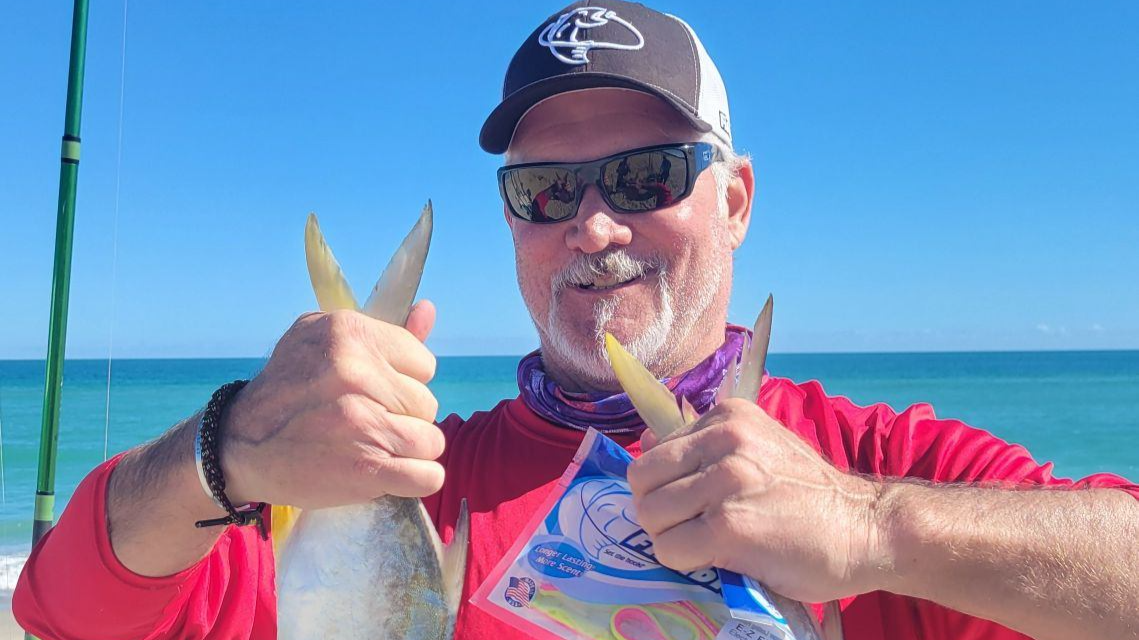
- Space Coast Surf Fishing Adventures with Captain


Summary
Join a fishing charter in Melbourne, FL on Thursday, June 5th to target kingcroaker and other inshore species. Captain BF Robertson of Captain B's Surf Fishing Charters specializes in productive shallow water fishing along Florida's Atlantic coast, combining local knowledge with proven techniques to maximize your catch and understanding of these hard-fighting fish.
Fishing Charter with Captain BF Robertson - Rates & Booking
Captain BF Robertson of Captain B's Surf Fishing Charters on Thursday, June 5th offers expert-guided fishing experiences targeting kingcroaker and other inshore species around Melbourne, FL. To inquire about rates, trip duration, guest capacity, and what's included with your charter, contact Captain B's Surf Fishing Charters directly to reserve your spot on the water.
Highlights of Your Kingcroaker Fishing Experience
Kingcroaker fishing in Melbourne's nearshore waters provides consistent action and an excellent opportunity to learn inshore species behavior. These hard-fighting fish respond well to targeted techniques in the shallow Atlantic waters surrounding Melbourne, offering both challenge and reward for anglers of all skill levels.
The Melbourne fishing grounds feature productive shallow structure ideal for kingcroaker. Captain Robertson's local expertise ensures you fish the right areas at the right times, maximizing your chances while teaching you how environmental conditions influence fish location and feeding patterns throughout the day.
Local Species Insights: Kingcroaker
Kingcroaker are aggressive feeders found in shallow Atlantic coastal waters along Florida's east coast. These drum family members typically inhabit depths from 3 to 30 feet, favoring sandy bottoms and shallow structure where they hunt for small fish, shrimp, and crustaceans. Understanding their habitat preferences helps explain why Melbourne's nearshore waters provide such productive fishing.
These fish are known for their distinctive dark coloring and robust build, making them recognizable and memorable catches. Kingcroaker demonstrate strong feeding behavior, particularly around structure and during tide changes when baitfish movement increases. When hooked, they pull hard and show impressive fighting ability, earning their reputation among inshore anglers.
The biology of kingcroaker connects directly to your fishing success. They're acoustic communicators that produce croaking sounds underwater - a behavior that fascinates many anglers encountering these fish for the first time. This vocalizing behavior, combined with their aggressive strikes, creates an engaging and interactive fishing experience. Learning to identify structure and time your fishing around tidal movements increases your understanding of why Captain Robertson chooses specific locations and times for each outing.
Melbourne's position along Florida's Atlantic coast puts you in prime kingcroaker territory. The combination of shallow water, productive bottom structure, and consistent populations makes this region ideal for both learning and catching these interesting fish. Environmental factors like water temperature, salinity changes, and seasonal movements all influence kingcroaker distribution and feeding intensity throughout the year.
Fishing in Melbourne: Kingcroaker
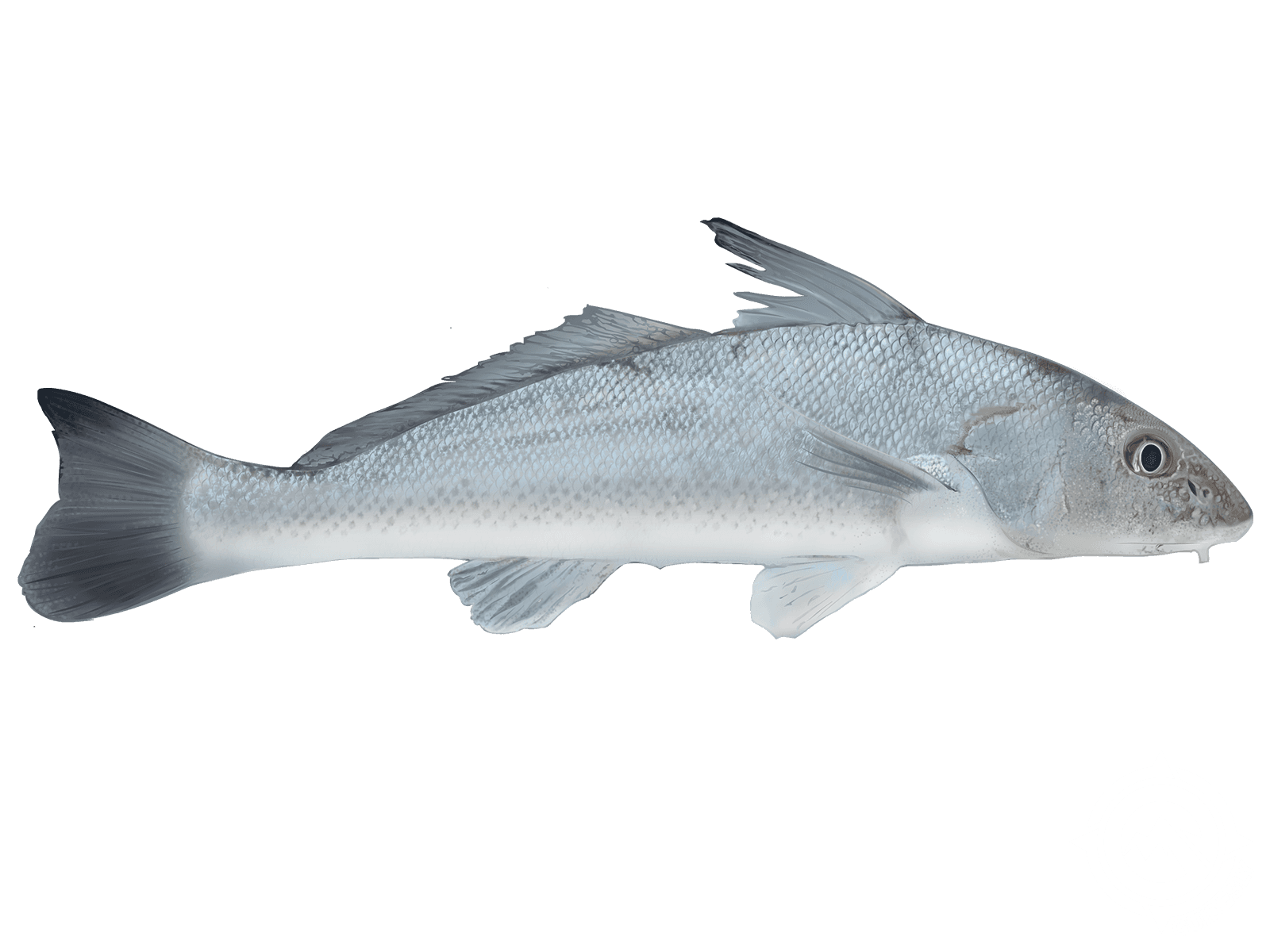
The Kingcroaker (scientific name Menticirrhus littoralis) is a fascinating member of the Sciaenidae family within the order Perciformes. This inshore bottom-dweller is instantly recognizable by its elongated body, downward-pointing mouth, and distinctive chin barbel—a sensory organ it uses to hunt prey along sandy and muddy seafloors. With silvery-grey coloration accented by dusky bars running along its sides and occasionally a coppery sheen, the Kingcroaker is built for life in shallow coastal waters. Also known simply as Kingfish, this species is a favorite among pier and beach anglers from Florida to the Gulf of Mexico, where it's prized both for sport and its excellent table fare. Whether you're fishing the Gulf coast or exploring nearshore ecosystems, understanding the Kingcroaker's habitat, behavior, and seasonal patterns will dramatically improve your chances of success.
Kingcroaker Overview
The Kingcroaker is a popular inshore gamefish known for its accessibility and reliable presence in shallow coastal and nearshore waters. As a member of the drum family, it shares the distinctive ability to produce croaking sounds—hence its common name. This species thrives in the warm waters from southern New England down through Florida, throughout the Gulf of Mexico, and along the eastern coast of South America to Argentina. For both recreational anglers and culinary enthusiasts, the Kingcroaker represents an ideal target: it's abundant, relatively easy to catch from shore or pier, and offers delicious, mild-flavored white flesh. Whether you're a seasoned angler or a first-time visitor exploring coastal waters, this adaptable species provides memorable fishing experiences and consistent action.
Kingcroaker Habitat and Distribution
Kingcroaker thrive in sandy bottoms, mud flats, and grass beds found in coastal waters and nearshore zones down to approximately 30 feet deep. They show a strong preference for shallow coastal areas where wave action naturally dislodges small crabs and crustaceans—ideal hunting grounds for these bottom feeders. Juveniles are particularly adaptable and often inhabit estuaries with lower salinity levels, making them one of the more resilient species in transitional aquatic environments. Their geographic range spans from southern New England southward to the tip of Florida, with robust populations throughout the Gulf of Mexico and beyond. In the Gulf region, sandy beaches and nearshore sandbars are hotspots where waves continuously churn up prey items, creating perfect feeding conditions. The species' preference for structured habitats means that pier pilings, jetties, and shell beds often concentrate populations, making these locations especially productive for anglers.
Kingcroaker Size and Weight
Kingcroaker typically range from 5 to 16 inches in length, with exceptional specimens reaching up to 19 inches. Most fish encountered by anglers weigh between 1 and 4 pounds, though larger individuals can push toward 5 pounds. The average lifespan of this species is 4 to 6 years, meaning you're likely catching relatively young adults when targeting them in shallow waters. Smaller fish are common in estuaries and nearshore areas, while the largest specimens tend to be found in deeper offshore waters. For table fare purposes, fish in the 12 to 16-inch range offer the best balance of size and yield when filleting, though smaller fish are perfectly suited for whole preparation after cleaning.
Kingcroaker Diet and Behavior
These aggressive predators are opportunistic bottom feeders with a diverse diet. They primarily hunt shrimp, small fish, and crustaceans, but also consume amphipods, polychaete worms, and mollusks. The distinctive chin barbel acts as a sensitive probe, allowing them to detect prey buried in sand or silt on the seafloor. This sensory adaptation makes them highly effective hunters in low-visibility environments. Kingcroaker are most active during dawn and dusk, though they feed throughout the day when conditions are favorable. They exhibit schooling behavior, particularly among juveniles, which is why productive fishing spots often yield multiple catches in succession. Their constant bottom-feeding activity creates a natural feeding window that anglers can exploit with the right presentation and bait selection.
Kingcroaker Spawning and Seasonal Activity
Kingcroaker spawn during summer months, with peak activity typically occurring from May through August. During this period, larger individuals move into deeper offshore waters, though smaller and juvenile fish remain accessible in nearshore and estuarine zones. Spring and fall shoulder seasons provide excellent fishing opportunities as water temperatures stabilize and prey availability increases. In the Gulf region, fall months often produce some of the most consistent action as schools consolidate in preparation for winter migration. Winter generally sees reduced activity in northern portions of their range, though Gulf Coast populations remain relatively active year-round. Understanding these seasonal patterns helps anglers time their trips for maximum productivity.
Kingcroaker Techniques for Observation or Capture
Technique 1: Pier and Beach Casting with Live or Cut Bait. The most straightforward approach involves fishing from piers, jetties, or beaches with small live shrimp, sand fleas, or cut mullet. Use a simple two-hook bottom rig with 2 to 4-ounce sinkers to keep your bait on the seafloor where Kingcroaker hunt. Cast perpendicular to the shoreline and work the bottom with gentle rod lifts every 30 seconds to stimulate feeding interest. Peak success occurs during incoming tides when predators become more active. Around coastal Florida and Gulf fishing piers, this technique consistently produces action throughout the fishing day.
Technique 2: Artificial Lures in Shallow Structure. Small jigs tipped with shrimp or soft plastics work exceptionally well in nearshore waters and around sandy structure. Use 1/8 to 1/4-ounce jigs and work them with short bouncing motions along the bottom. Focus on areas where depth transitions from shallow to slightly deeper water, as Kingcroaker often patrol these zones. This method is particularly effective during lower light periods and allows you to cover water more efficiently than static bait fishing.
Technique 3: Surf Fishing During Wave Action. Wade into sandy, shallow surf zones where wave action dislodges crabs and other crustaceans. Fish small hooks (No. 2-4) baited with sand fleas or fresh shrimp during the feeding window created by rough conditions. This active approach allows you to search for concentrated populations rather than waiting in one spot. The natural feeding frenzy triggered by turbulent water often results in quick, aggressive strikes.
Kingcroaker Culinary and Utilization Notes
The Kingcroaker is considered excellent table fare with firm, mild-flavored white flesh that appeals to diverse palates. Larger specimens (12+ inches) fillet cleanly and yield boneless portions perfect for pan-searing, baking, or grilling. Smaller fish are traditionally cleaned and cooked whole, which preserves moisture and flavor during preparation. The flesh has a delicate, slightly sweet character that pairs well with simple seasoning and light sauces. Sustainability-wise, Kingcroaker populations remain healthy throughout their range, making them a responsible choice for recreational harvest. One fish typically provides a modest but satisfying meal for one to two people, making them perfect for shore lunch or family seafood dinners.
Kingcroaker Frequently Asked Questions
Q: What is the best bait for catching Kingcroaker?
A: Live or fresh-cut shrimp is the gold standard, though sand fleas, small mullet, and fresh-cut herring are also highly effective. The key is using natural bait that mimics the species' primary prey items and keeps it near the bottom where they feed.
Q: Where can I find Kingcroaker near the Gulf Coast?
A: Fishing piers, sandy beaches, and nearshore sandbars throughout the Gulf region consistently hold Kingcroaker populations. In Florida specifically, coastal piers from the Panhandle to the Keys, shallow Gulf bays, and nearshore waters within 30 feet of depth are productive year-round.
Q: Is Kingcroaker good to eat?
A: Absolutely. The mild-flavored white flesh is delicious and versatile. Larger fish fillet beautifully, while smaller fish are excellent when cleaned and cooked whole. Most anglers consider it excellent table fare comparable to other popular inshore species.
Q: When is the best time to catch Kingcroaker?
A: Dawn and dusk are peak periods, though Kingcroaker feed throughout the day. Spring and fall shoulder seasons offer excellent activity, while summer months can be productive in deeper offshore areas. Incoming tides generally produce more consistent feeding than outgoing tides.
Q: How long do Kingcroaker typically live?
A: The average lifespan is 4 to 6 years, meaning most fish you encounter are relatively young adults. The growth rate is fairly rapid during the first few years of life.
Q: What distinguishes Kingcroaker from other croaker species?
A: The distinctive chin barbel and downward-pointing mouth are key identifying features. Additionally, Kingcroaker typically display 7-8 dusky bars along the body and have a divided dorsal fin. They're generally smaller than some related species and prefer shallow inshore waters, making them readily accessible to shore-based anglers.